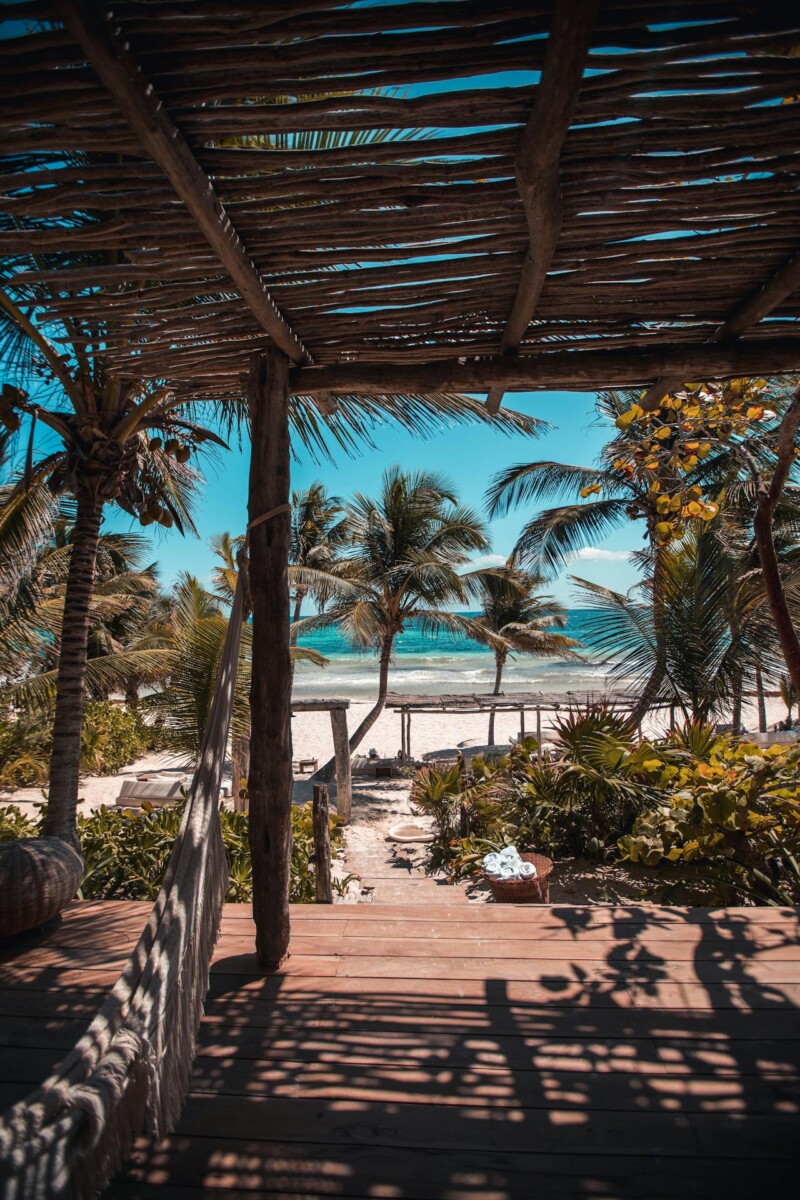
Bali has long been a jewel in Southeast Asia’s tourism crown, famous for its lush rice terraces, stunning beaches, vibrant art scene, and spiritual culture. Every year, millions of tourists flock to the island, and many eventually dream of making it a more permanent part of their lives, not just through holidays, but through ownership. Over the last decade, the island has transformed into a hotspot for property investors, fueled by booming tourism, growing international interest, and lifestyle appeal. Buying land in Bali often seems like a golden opportunity, but behind the allure lies a complex landscape of legal requirements, market trends, and financial risks. This article aims to lay out both the benefits and the potential pitfalls of such an investment, so you can make a well-informed decision.
If you’re ready to explore current opportunities, check out the latest listings of land for sale Bali to find the perfect plot for your investment or dream home.
The Appeal of Buying Land in Bali
The charm of owning land in Bali goes beyond financial gain. It’s also about lifestyle, status, and creative freedom. The island’s natural beauty and cultural richness make it a rare destination that appeals equally to leisure travelers, entrepreneurs, retirees, and digital nomads. Bali’s real estate market has benefited from a strong tourism industry, with annual visitor numbers that rival or surpass many major destinations. Beyond tourism, the rise of remote work has brought a wave of long-term residents who contribute to the demand for rental properties and commercial spaces. Infrastructure is also steadily improving: roads are being expanded, new international-standard hospitals and schools are opening, and retail and dining scenes are thriving in areas like Canggu, Uluwatu, and Ubud. These factors combine to make land ownership in Bali an attractive opportunity for both short-term development and long-term appreciation.
Legal Considerations for Foreign Buyers
Indonesia’s property laws are designed to protect land ownership for its citizens, which means foreigners face restrictions. Direct freehold ownership (Hak Milik) is reserved exclusively for Indonesians, so international buyers must explore alternative arrangements. Leasehold (Hak Sewa) agreements, which typically last between 25 and 30 years and are extendable, are the most common option for foreign investors who don’t wish to form a company. Another route is obtaining the Right to Use (Hak Pakai), which can grant usage rights for up to 80 years under specific circumstances. For those planning large-scale commercial developments, setting up a foreign-owned company (PT PMA) is often the most practical solution, as it allows the company to acquire land under a business license. However, all these paths come with their own regulations, costs, and potential risks, making it essential to hire a reputable notary and legal advisor who understands both the local market and foreign investment procedures.
Pros of Buying Land in Bali
1. Strong Tourism Industry
Tourism is the lifeblood of Bali’s economy, and its resilience is one of the main reasons investors look here. With diverse attractions ranging from beach resorts to cultural hubs and adventure tourism, Bali draws a steady stream of visitors from across the globe. This constant flow of tourists fuels the demand for villas, boutique hotels, restaurants, and entertainment venues , meaning that a well-located property can enjoy high occupancy rates and strong rental yields.
2. Potential for High ROI
Over the past decade, areas like Seminyak, Canggu, and parts of Uluwatu have seen land prices increase significantly, in some cases doubling within just a few years. Investors who bought early in these areas and developed villas or hospitality businesses have often achieved returns far above the regional average. The combination of land appreciation and potential rental income makes Bali particularly appealing for those seeking both capital gains and ongoing cash flow.
3. Development Opportunities
Buying raw land offers you the freedom to bring your vision to life, whether that’s a luxury villa, an eco-friendly retreat, or a commercial complex. Bali’s market rewards creativity, properties with unique designs, sustainable features, or exceptional views tend to stand out and command premium rates. Developers who understand the island’s tourism dynamics can turn even modest plots into highly profitable ventures.
4. Lifestyle Benefits
Beyond profit, owning land in Bali comes with lifestyle perks that can’t be measured solely in monetary terms. You could have your own vacation home surrounded by tropical gardens, use it as a retirement retreat, or create a base for your family in a vibrant international community. For many, the emotional value of owning a slice of paradise is just as important as the financial return.
Cons of Buying Land in Bali
1. Foreign Ownership Restrictions
The most significant drawback for foreigners is the legal barrier to owning freehold land. While alternative ownership structures exist, they can be complicated, and without proper legal safeguards, investors risk losing their rights to the property.
2. Market Volatility
Bali’s property market is closely tied to its tourism industry. The COVID-19 pandemic proved how vulnerable the island is to global events; visitor numbers plummeted, and many rental properties sat empty for months. While the market has bounced back, such volatility is an important risk factor to consider.
3. Infrastructure Limitations
Not all parts of Bali have reliable infrastructure. Some rural or scenic areas may lack proper road access, stable electricity, clean water, or high-speed internet. Developing land in these locations often means additional costs for utilities and logistics, which can eat into profits.
4. Maintenance and Management Costs
A tropical climate can be hard on buildings and land. High humidity leads to faster wear and tear, while pests like termites can damage structures. If you’re not living in Bali full-time, you’ll likely need a property manager, which adds another ongoing expense.
Factors to Consider Before Investing
Before committing to a land purchase, investors should take a strategic approach. Location is key: areas with high tourist footfall are ideal for rentals, while quieter regions may suit private retreats or long-term appreciation plays. Budgeting should go beyond the purchase price, factoring in taxes, legal fees, construction costs, and maintenance. Partnering with reputable agents and legal professionals can reduce risks significantly. Additionally, zoning laws in Bali are strict, land designated as “green zone” cannot be developed, while “yellow” and “red” zones have specific permitted uses. Failure to check zoning before purchase can result in costly mistakes.
Alternatives to Buying Land
If direct land ownership feels too complex, several alternatives can still provide access to Bali’s real estate market. Leasing land is a popular option with lower upfront costs and fewer legal complications. Buying an existing property, whether residential or commercial — allows you to start generating income immediately, bypassing the development phase. For those who prefer a hands-off approach, joining a property investment group or real estate fund focused on Bali can offer returns without the day-to-day management responsibilities.
Conclusion
Buying land in Bali can be both financially rewarding and personally fulfilling, but it’s not without challenges. The island’s thriving tourism sector and growing global popularity create strong potential for appreciation and rental income. However, foreign ownership restrictions, market volatility, and infrastructure concerns mean that thorough research and professional guidance are essential. If you’re willing to navigate the legal landscape, take a long-term perspective, and choose your location wisely, investing in Bali land could give you more than just a property. It could give you a permanent foothold in one of the most beautiful places on earth.